

Essential Steps for Planning a South Asian Wedding: Your Guide to South Asian Wedding Planning
- Arjun Gandhi

- Jan 20
- 4 min read
Planning a South Asian wedding is a beautiful journey filled with vibrant traditions, joyful celebrations, and meaningful rituals. It can also feel overwhelming at times, given the many events, guests, and details involved. But don’t worry - with the right approach, you can create a seamless and unforgettable experience. I’m here to walk you through the essential steps for planning a South Asian wedding, sharing practical tips and heartfelt advice to keep you inspired and organized.
Understanding South Asian Wedding Planning: The Big Picture
South Asian weddings are known for their grandeur and multi-day festivities. Whether you’re planning a Hindu, Sikh, Muslim, or other cultural ceremony, the key is to embrace the rich customs while tailoring the events to your personal style.
Start by mapping out the major events you want to include. Common celebrations often span 3 to 5 days and may feature:
Mehndi (henna ceremony)
Sangeet (music and dance night)
Wedding ceremony (varies by religion)
Reception or Walima
Each event has its own vibe and requirements, so it’s helpful to list them early. This way, you can allocate your budget and time wisely.
Next, think about your guest list and venue options. South Asian weddings tend to have large guest counts, so venues with ample space and accommodation options are ideal. Consider whether you want a traditional banquet hall, a hotel ballroom, or an outdoor garden setting.

Setting Your Budget and Priorities
Budgeting is one of the most important steps in south asian wedding planning. It sets the foundation for every decision you make. Be realistic about what you can spend and prioritize the elements that matter most to you.
Here’s a simple way to approach your budget:
List all potential expenses - venue, catering, attire, decor, photography, entertainment, invitations, and gifts.
Assign approximate costs based on research or quotes.
Rank your priorities - maybe the food and music are top priorities, while decor can be more modest.
Leave a buffer for unexpected costs or last-minute additions.
Remember, a well-planned budget helps reduce stress and keeps your wedding vision on track. If you feel overwhelmed, consider consulting a south asian wedding planner who can help you maximize your budget and streamline the process.
Choosing the Perfect Venue and Vendors
Selecting the right venue sets the tone for your entire celebration. When scouting locations, keep these tips in mind:
Capacity and layout: Ensure the venue can comfortably host your guest list and accommodate multiple events if needed.
Cultural suitability: Some venues are more familiar with South Asian wedding customs and can support traditional rituals.
Accessibility: Consider travel convenience for your guests, parking, and nearby accommodations.
Vendor flexibility: Check if the venue allows outside caterers, decorators, and entertainers or if you must use their in-house services.
Once you have your venue, start booking trusted vendors. Catering is especially crucial since South Asian weddings often feature elaborate menus with vegetarian and non-vegetarian options. Ask for tastings and sample menus to ensure quality and authenticity.
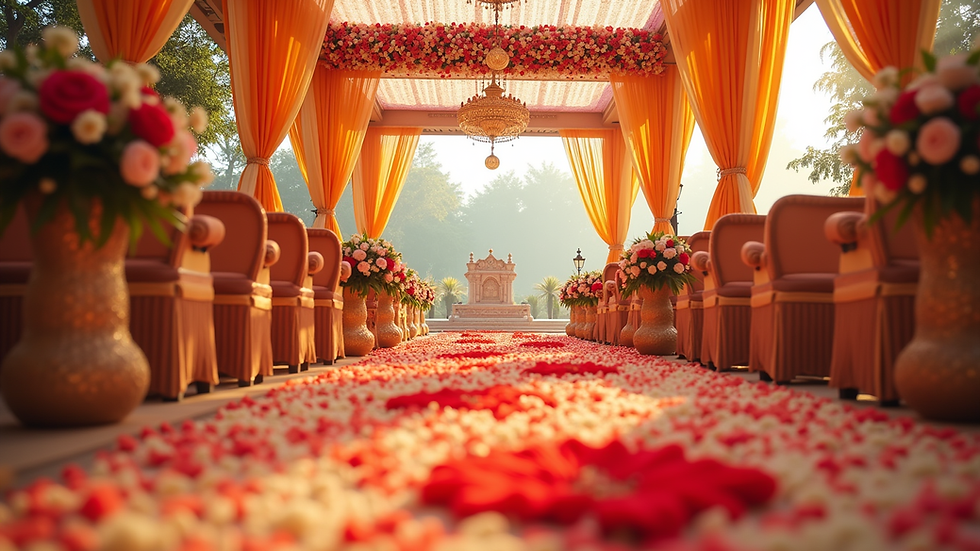
For decor, think about colors, floral arrangements, and traditional elements like mandaps or stage setups. Entertainment can range from live bands and DJs to classical dancers or dhol players.

Planning the Wedding Attire and Jewelry
Your wedding attire is a reflection of your culture and personal style. South Asian weddings offer a stunning array of options, from richly embroidered lehengas and sarees to sherwanis and kurta pajamas.
Start shopping early to allow time for custom tailoring and alterations. Here are some tips:
Coordinate colors and styles with your partner and family to create a harmonious look.
Consider comfort since you’ll be wearing these outfits for long hours and multiple events.
Plan your jewelry and accessories to complement your attire. Traditional pieces like bangles, necklaces, and maang tikka add elegance and meaning.
Schedule hair and makeup trials to find the perfect look that enhances your natural beauty.
Don’t forget to involve your close family members in the attire planning, as their outfits often play a significant role in the celebrations.
Organizing the Ceremony and Rituals
South Asian weddings are rich with rituals that symbolize love, commitment, and family unity. Understanding the sequence and significance of these ceremonies helps you plan smoothly.
Work closely with your officiant or priest to finalize the ceremony details. Some common rituals include:
Kanyadaan - the giving away of the bride
Saat Phere - seven sacred vows around the fire
Vidaai - the bride’s farewell to her family
Make sure to communicate the schedule clearly to your guests and vendors. Consider creating a printed program or a digital guide to help everyone follow along.
If you’re blending traditions or cultures, discuss how to respectfully incorporate each element. This is your special day, so feel free to personalize the rituals while honoring your heritage.
Making the Most of Your Wedding Day and Beyond
On the big day, focus on enjoying every moment. Delegate tasks to trusted family members or your south asian wedding planner so you can relax and soak in the joy.
Here are some final tips:
Create a detailed timeline for each event and share it with your vendors and coordinators.
Prepare an emergency kit with essentials like safety pins, tissues, and snacks.
Plan transportation for yourself and guests between venues.
Schedule downtime between events to rest and refresh.
After the celebrations, take time to thank your guests and vendors. Consider sending personalized notes or small gifts as a token of appreciation.
Your South Asian wedding is a beautiful beginning to your new life together. With thoughtful planning and a warm heart, you’ll create memories that last a lifetime.
I hope these essential steps inspire you to approach your South Asian wedding planning with confidence and excitement. Remember, every detail you plan brings you closer to a joyful and meaningful celebration. Happy planning!


Comments